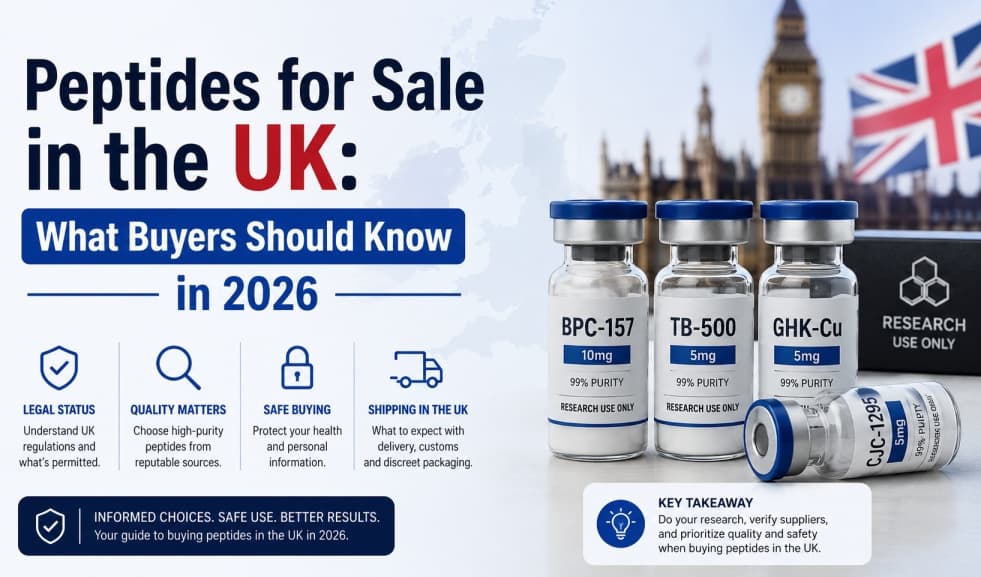
Thinking about buying peptides in the UK? This 2026 buyer's guide covers everything you need to know, from understanding research-grade peptides and quality standards to selecting reputable UK suppliers. Learn how to evaluate product purity, supplier credibility, and compliance considerations before making a purchase.
The UK peptide market has grown considerably in recent years, driven by expanding research interest across sports science, endocrinology, dermatology, and general wellness investigation. However, this growth has also attracted suppliers of varying quality — making it increasingly important for buyers to understand exactly what they are purchasing, from whom, and under what legal framework.
Whether you are a researcher, licensed healthcare professional, or someone simply investigating the space, this guide provides a clear, UK-specific overview of what you need to know before placing an order.
What Are Research Peptides?
Peptides are short chains of amino acids — the building blocks of proteins — that perform a variety of functions in the body. Research peptides are synthetic versions of naturally occurring or novel peptide sequences, produced for scientific investigation. They are distinct from dietary supplements and are not approved as medicines unless specifically licensed by the MHRA.
The term 'research peptides' is important: these compounds are sold for investigative, laboratory, and preclinical research purposes, not for human consumption.
The Legal Framework in the UK
Are Peptides Legal to Buy in the UK?
In most cases, yes — purchasing peptides for legitimate research purposes is legal in the UK. However, the legal position is nuanced and depends on the specific compound, its intended use, and how it is marketed.
The Human Medicines Regulations 2012
Any peptide product marketed or sold with therapeutic or medicinal claims — including claims about treating disease, enhancing human performance, or altering body function — may fall under the Human Medicines Regulations 2012, which requires MHRA authorisation. Reputable suppliers avoid making such claims, instead clearly designating their products as research use only.
The Misuse of Drugs Act 1971
Most research peptides are not classified as controlled substances under the Misuse of Drugs Act 1971. However, buyers should always verify the legal status of specific compounds, as the landscape can evolve with new MHRA guidance.
Anti-Doping Regulations
Several peptide compounds are prohibited in sport under the WADA Prohibited List, which is adopted in UK sport through UK Anti-Doping (UKAD). Purchasing peptides for use in competitive sport may constitute an anti-doping violation. This is a separate matter from general legality, but it is important context for buyers involved in sports research.
⚠️ Always verify the legal status of a specific peptide with a qualified solicitor or healthcare professional if you are unsure of its classification or permitted use in your context.
What to Check Before You Buy
1. Certificate of Analysis (COA)
A COA from an independent third-party laboratory is essential. It confirms the peptide's purity, identity, and safety profile for the stated purpose. No COA means no verification — do not purchase without one.
2. UK Supplier Registration
Verify the company is registered with Companies House. This provides basic assurance that the business is legitimate and operating within UK commercial law.
3. Research-Use Labelling
All products should be clearly labelled 'For Research Use Only — Not for Human Consumption.' This is not just best practice — it is an indicator that the supplier understands and respects the regulatory framework.
4. Transparent Pricing
Peptide pricing reflects the cost of synthesis, purity testing, and quality assurance. Prices dramatically below market average often indicate lower purity, diluted products, or sourcing from unverified overseas manufacturers.
5. Cold Chain and Storage Standards
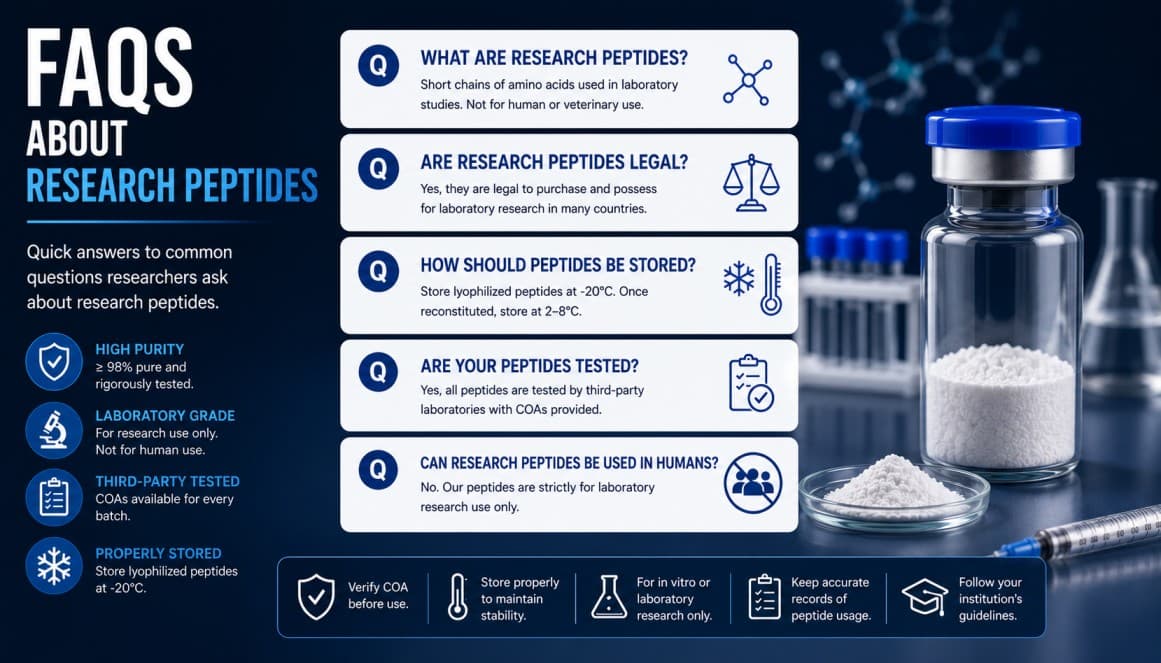
Peptides are sensitive to heat and moisture. UK suppliers should store products at appropriate temperatures and use appropriate packaging for dispatch. Check whether the supplier uses insulated packaging and temperature monitoring.
Common Peptides Available for Research in the UK
The following peptides are commonly sought for research purposes by UK buyers:
•BPC-157 — tissue repair and gastrointestinal research
•TB-500 — recovery and regeneration studies
•Ipamorelin — selective GH secretagogue studies
•Melanotan 2 — pigmentation and libido research (regulations apply)
Where to Buy Peptides in the UK: FlexPeptides.co.uk
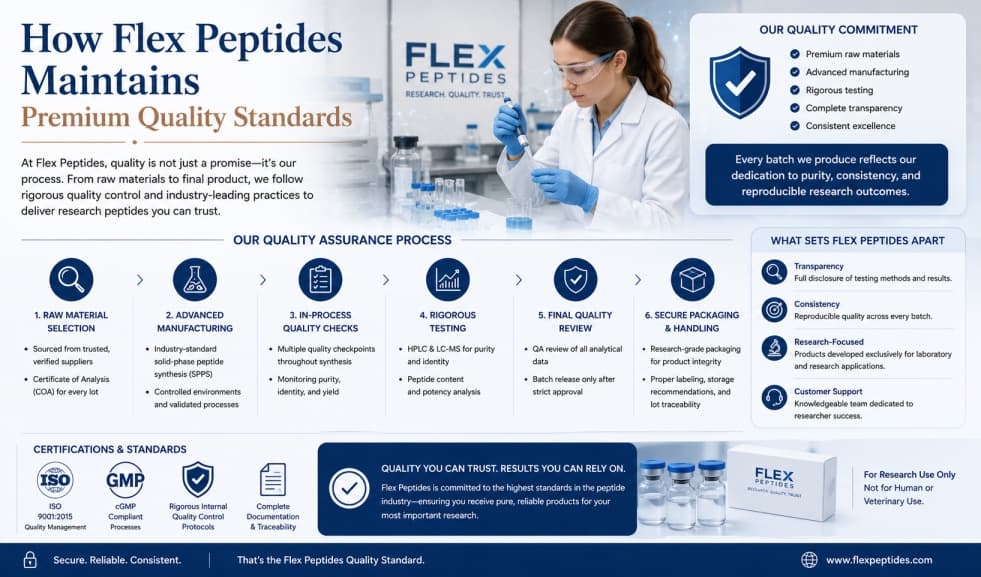
FlexPeptides.co.uk is a UK-based peptide supplier serving researchers, practitioners, and institutions across the United Kingdom. Every product we supply comes with:
•A full Certificate of Analysis from an accredited independent laboratory
•Clear research-use designation and regulatory compliance
•Secure, temperature-appropriate UK dispatch
•Transparent product information including technical specifications
•Accessible customer support from a knowledgeable UK team
We do not make medicinal claims, we do not sell to minors, and we encourage all customers to understand the legal framework applicable t[o their specific context before purchasing.
Internal Resources
→ Best Place to Buy Peptides Online in the UK | FlexPeptides
→ How to Choose a Trusted Peptide Supplier in the UK | FlexPeptides
→ Legal Peptides in the UK: Regulations Explained | FlexPeptides
→ How to Identify High-Quality and Verified Peptides | FlexPeptides
Disclaimer: All peptides sold by FlexPeptides.co.uk are for research and laboratory purposes only. They are not medicines and are not approved for human consumption. Always seek qualified medical or legal advice regarding the use of any research compound.